How Much is it Worth For SaaS Spend Management Platform
SaaS Spend Management: How Businesses Can Reduce Wasted Software Costs
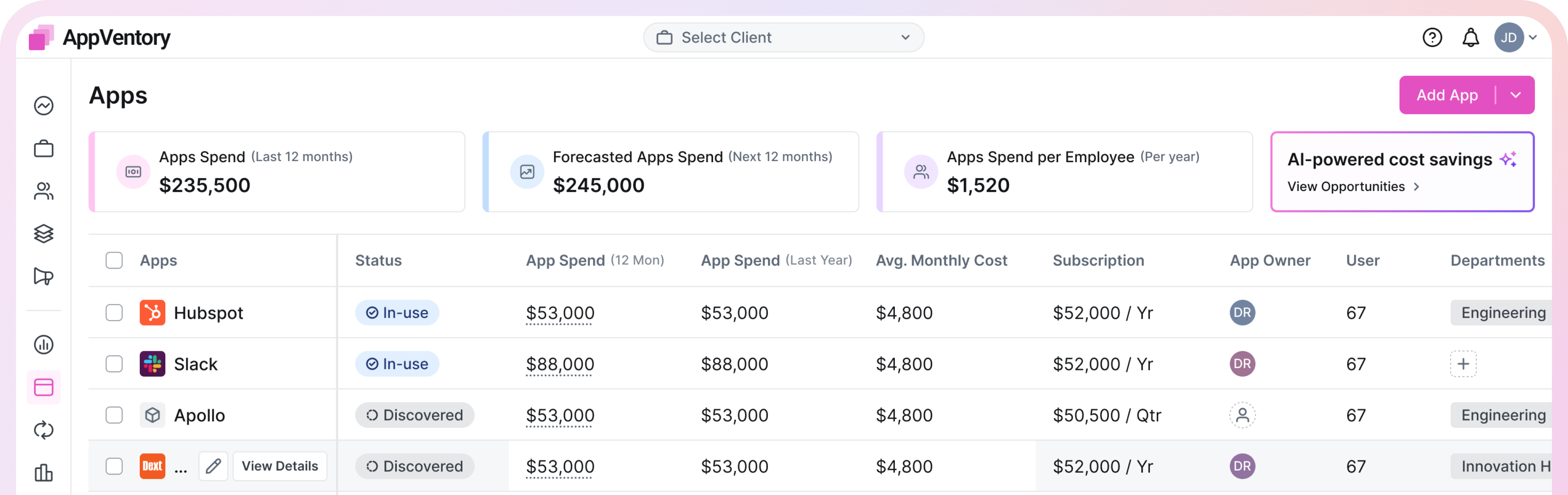
Software has developed into a major operating cost for expanding organisations. Finance, sales, marketing, customer support, human resources and technology teams may all subscribe to different applications, often without a central process for monitoring costs or usage. As subscription numbers grow, organisations may pay for inactive accounts, duplicated tools, unnecessary premium packages and services that renew automatically without sufficient review. SaaS expenditure management offers a structured way to control these costs by centralising subscriptions, licences, renewal schedules and usage data in a single organised environment. A dedicated SaaS spending management platform can help finance and technology teams see where expenditure is going, which applications are actively used and where potential savings may be available. For organisations asking How to reduce saas cost, creating greater visibility is frequently the most sensible first step.
What Is SaaS Spend Management?
SaaS expenditure management is the ongoing process of identifying, monitoring, evaluating and optimising subscription-based software expenses across an organisation. Rather than treating each monthly payment as an isolated accounting transaction, businesses can examine the complete software environment and understand how individual applications contribute to operations.
The approach may involve tracking application ownership, department usage, licence distribution, contract costs, renewal periods and real employee activity. It can also cover modern artificial intelligence tools that use variable pricing based on consumption rather than fixed monthly subscriptions.
The objective is not simply to reduce software spending. Effective management helps ensure that budgets are directed towards tools providing genuine operational value while unnecessary duplication and waste are reduced.
Why Software Costs Become Difficult to Control
Software purchasing has become decentralised in many organisations. Individual teams can subscribe to software using company cards without necessarily involving procurement or IT teams. While this flexibility can speed up software adoption, it can also create scattered and difficult-to-track spending.
Marketing teams might subscribe to multiple content applications, sales departments may adopt similar prospecting systems and other teams may purchase their own project management tools. Individual monthly charges may appear minor, but together they can develop into a substantial annual cost.
A SaaS spending management software solution can make these costs easier to analyse by providing a consolidated view of subscriptions rather than forcing teams to examine individual invoices manually.
Unused Licences Can Create Significant Waste
Unused user licences are among the most common causes of avoidable software expenditure. Employees may leave the business, move into different roles or stop using certain applications while their paid licences remain active.
This waste can become increasingly difficult to detect as businesses accumulate large numbers of software applications. Finance teams may keep paying invoices simply because they lack clear visibility into whether every paid seat is still active.
Frequent licence audits can help identify unused seats and allow organisations to reduce or cancel unnecessary subscriptions. Businesses should also include software access reviews within employee departure and role-change processes so unused licences are identified quickly.
Duplicate Applications Increase Unnecessary Expenses
Growing businesses commonly discover that multiple teams are purchasing applications offering similar capabilities. Different teams may independently purchase software for video meetings, design, artificial intelligence, document signing, analytics or customer communications.
Without central visibility, employees may not realise that another department already has access to a suitable solution. This overlap increases costs and can also create operational complexity as information becomes distributed across multiple systems.
A central SaaS spending management platform can help businesses maintain an accurate inventory of software. Before approving new software, decision-makers can review existing applications to see whether the required capability already exists.
Improving Software Renewal Management
Auto-renewing contracts can result in unplanned expenditure when they are not reviewed before notice or renegotiation deadlines. Many subscription agreements require organisations to make changes within a defined period before the next billing cycle.
Businesses should therefore maintain a structured renewal calendar containing contract dates, notice periods, pricing terms and responsible owners. Reviewing subscriptions well before renewal creates time to evaluate usage, compare alternatives and determine whether the current licence quantity is still appropriate.
Renewal management should be handled as an active financial process instead of a simple administrative reminder. Preparing in advance can give businesses more room to discuss pricing and adjust contractual terms.
Controlling Spending on Artificial Intelligence Tools
Artificial intelligence services have introduced additional complexity into software budgeting. Conventional applications typically rely on fixed monthly or annual fees, while newer AI tools may charge according to consumption, processing volume or computing activity.
Consequently, expenditure can change substantially from one billing cycle to the next. Departments experimenting with new services can create unexpectedly high expenditure when usage is not monitored closely.
Modern SaaS spending management software can support organisations in monitoring predictable subscriptions alongside variable technology costs. Finance teams can establish internal budgets, review usage patterns and investigate unusual increases before they become recurring problems.
Automated Software Discovery for Better Visibility
Spreadsheets can work for businesses with relatively few subscriptions, but they become progressively more difficult to manage as software usage grows. Employees may fail to record new subscriptions, contract details can become outdated and applications bought by separate How to reduce saas cost departments may never reach the central record.
Automation can help detect recurring software payments and consolidate them into one organised inventory. This gives finance teams a clearer picture of the tools being paid for across the organisation.
Automation may also reduce the administrative work involved in maintaining software records. Rather than repeatedly gathering information from individual departments, teams can spend more time analysing expenditure and improving purchasing decisions.
Building Stronger Software Procurement Controls
Managing expenditure before software is purchased can be more effective than discovering waste after invoices have already been settled. A structured procurement process provides employees with a clear way to request new tools while giving finance and technology teams an opportunity to assess the request.
Before approving a new subscription, organisations can consider whether an existing tool provides similar functionality, how many employees require access, whether the proposed plan is appropriate and what the expected business benefit will be.
These controls do not have to make software purchasing unnecessarily difficult. The goal is to create enough visibility to prevent duplicate subscriptions while still allowing employees to access useful technology when needed.
How Regular Reviews Can Reduce SaaS Costs
Businesses asking how to reduce SaaS costs should carry out regular software reviews rather than viewing optimisation as a one-off exercise. Subscription environments change continuously as employees join, departments expand and new applications are introduced.
An effective review can assess active licences, recent usage, subscription ownership, contract costs, upcoming renewals and overlapping functionality. Businesses can then determine which services should be kept, reduced, renegotiated or cancelled.
Regular reviews also encourage departments to become more accountable for software purchasing. When departments know that subscriptions will be assessed according to usage and value, they are more likely to consider expenditure carefully before requesting extra tools.
Why a Central SaaS Spend Management Platform Matters
A centralised platform can provide finance leaders, technology teams and business owners with a shared view of software spending. Rather than maintaining multiple spreadsheets or searching through financial records, decision-makers can review subscriptions within one organised environment.
Better visibility can contribute to more accurate budgets, improved renewal management, stronger licence oversight and better purchasing decisions. It can also improve discussions between finance and department leaders because software expenditure can be assessed alongside genuine requirements.
The strongest value of SaaS Spend Management lies in converting fragmented software purchases into a structured and measurable business process.
Summary
Modern businesses depend heavily on software, but poorly managed subscriptions can gradually affect profitability without being immediately noticed. Unused seats, overlapping applications, automatic renewals and unpredictable usage fees can all increase avoidable expenditure. A structured SaaS expenditure management strategy gives businesses better visibility into these costs and provides a practical framework for controlling them. Using software spend management software can make subscription discovery, licence monitoring, renewal planning and procurement more organised. A well-managed software spend management platform also helps finance and technology teams make purchasing decisions based on real usage rather than assumptions. For organisations considering how to reduce SaaS costs, continuous oversight, regular assessments and improved purchasing controls can support lasting improvements in software efficiency and financial control.